 +86 18805063850
 allen@crtopmachine.com
Choosing the right drying method can dramatically affect the purity, stability, and final quality of a product. Among the many technologies available today, spray drying is widely recognized as one of the highest-quality and most efficient drying methods, especially for liquid materials that need to be transformed into fine, uniform powder.
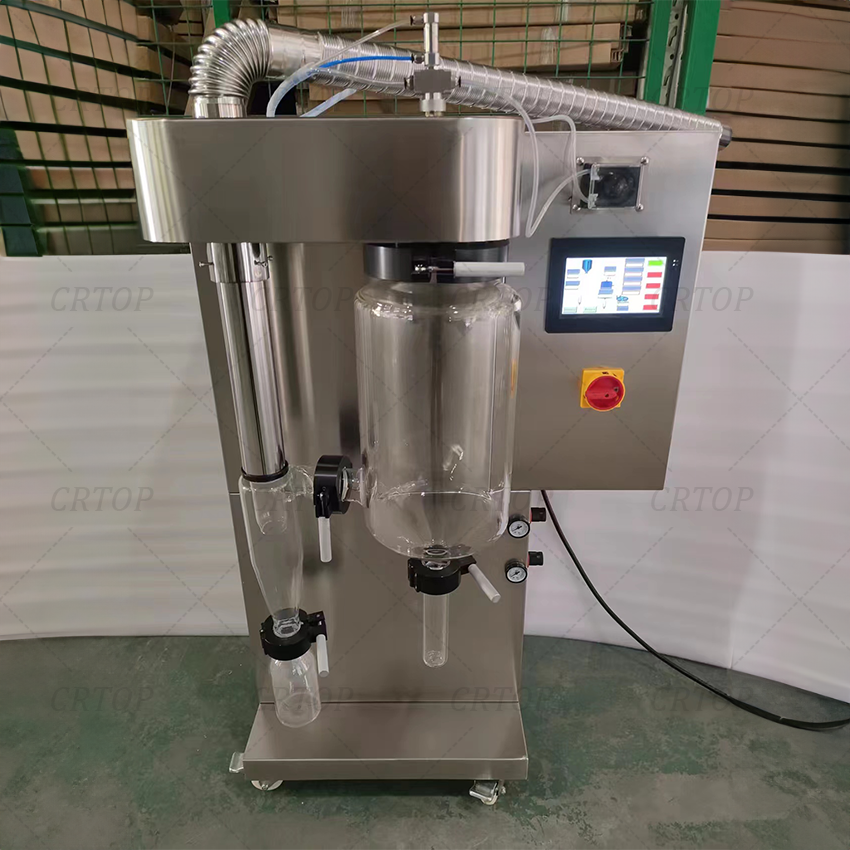
Why Spray Drying Stands Out
Spray drying removes moisture within seconds. A liquid feed is atomized into tiny droplets and exposed to controlled hot air, allowing it to dry almost instantly. Because the heat exposure is extremely brief, sensitive ingredients—such as dairy nutrients, herbal extracts, enzymes, flavors, and pharmaceutical compounds—retain their color, aroma, and biological activity.
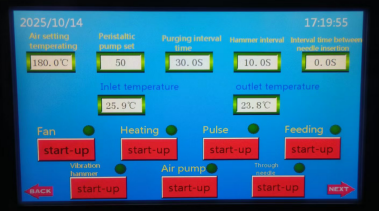
This fast yet gentle process produces powder with excellent flowability, consistent particle size, and long shelf life. For industries that rely on high-purity powders, spray drying offers a level of quality that traditional drying techniques simply cannot match.
How It Compares to Other Methods
Conventional dehydration and oven drying require long periods of heat, which can damage nutrients and cause uneven results. Freeze-drying is gentle but very slow and costly, making it impractical for large-scale production.
Spray drying, in contrast, delivers a rare combination of quality, speed, and scalability, making it ideal for food, pharmaceuticals, chemicals, and research laboratories.
Final Thoughts
If your goal is to produce clean, stable, and professional-grade powder, spray drying remains one of the best methods available. With its ability to protect sensitive materials and deliver consistent results, it is the preferred choice for modern manufacturers.
Crtop offers a full range of laboratory and industrial spray dryers designed to help you achieve top-quality powder production with confidence.


